
Business leaders point out that this type of tax could force them to sell shares in growing companies in order to meet the tax burden.
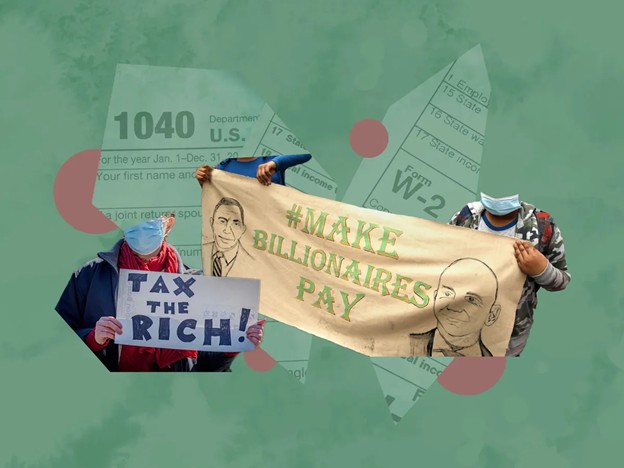
California is preparing to debate one of the most controversial tax proposals in recent years: a one-time 5 percent tax on fortunes exceeding $1 billion . The initiative, which could appear on the November 2026 ballot , aims to raise approximately $100 billion to fund healthcare and other public programs, amid budget pressures and potential federal spending cuts.
The tax would apply to approximately 200 California residents and would be calculated based on the net worth of their assets, excluding primary residences, retirement funds, and pensions. Payments would begin in 2027 and could be spread over five years. Its proponents argue that it is an exceptional measure targeting a very small group of high-net-worth individuals.
However, economists, business leaders, and tax analysts have warned of unintended economic consequences . One of the main concerns is that taxing wealth, including unrealized assets, could incentivize the relocation of capital and talent out of the state, reducing investment, employment, and future income tax revenue. In sectors such as technology, business leaders point out that this type of tax could force companies to sell stakes in growing businesses to meet the tax burden, affecting innovation and long-term competitiveness.
Even the California Legislative Analyst’s Office , a nonpartisan organization, has acknowledged that projected revenues from the tax are difficult to predict and could be offset by long-term economic losses if the state’s tax base shrinks.
Another point of contention is the legal and administrative precedent that such a tax would set. Tax law experts point out that assessing complex assets, such as private holdings, unlisted shares, or intangible assets, would require a more extensive and costly tax enforcement apparatus, in addition to potentially protracted litigation. This could translate into legal disputes that delay the effective collection of funds and increase administrative costs for the state, reducing the net impact of the tax. Some analysts warn that these technical challenges are often underestimated in large-scale tax initiatives, but ultimately have a decisive influence on their actual implementation.
The debate reflects a broader tension in California: how to fund essential public programs without weakening the economic climate that has sustained the state’s growth for decades. As the vote approaches, voters will need to assess whether this tax represents a sustainable fiscal solution or a risk to future economic stability.